
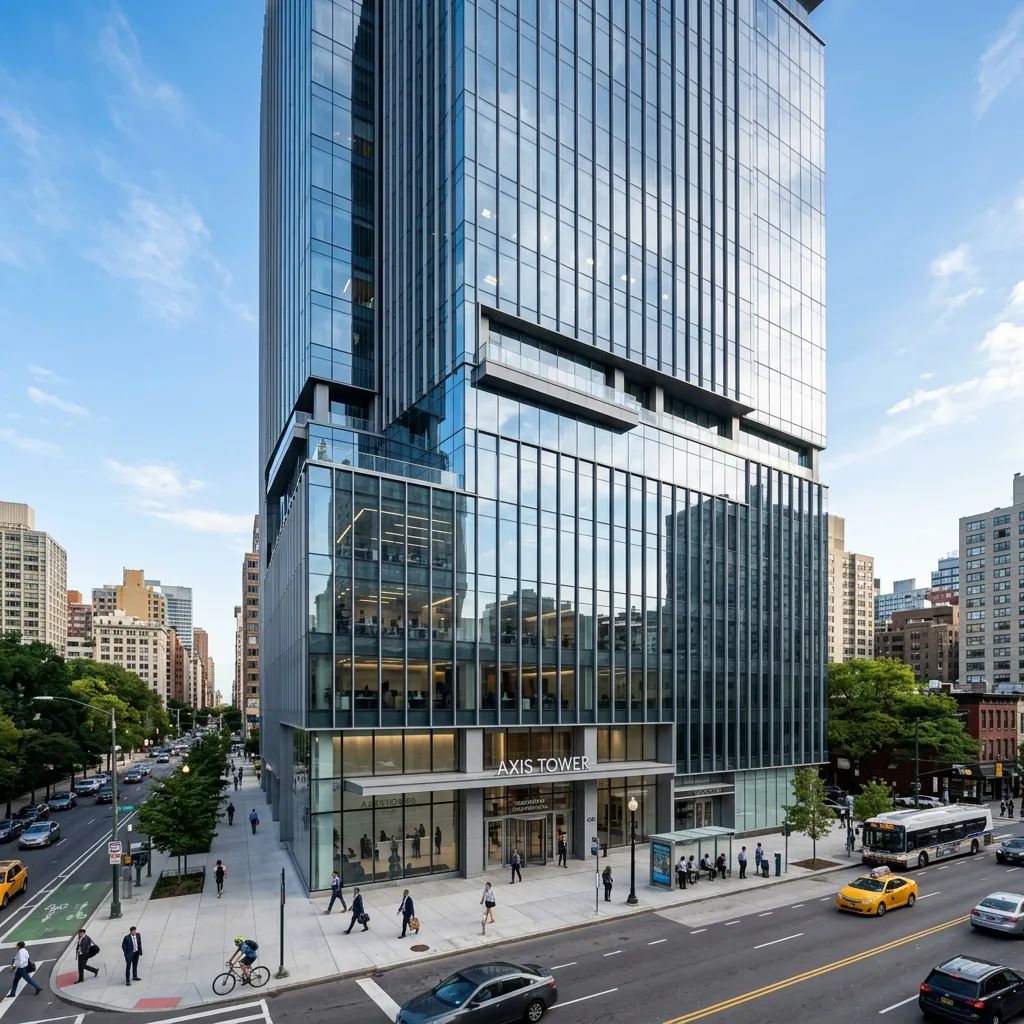
Executive Summary for Malaysian Property Managers: While HVAC and elevator retrofits require heavy capital expenditure, smart carpark lighting delivers immediate ~80% carpark power reduction (~20% common bill reduction) under a Zero CAPEX model. Read the full implementation methodology: ESG Decision Guide (Glenz-Proven): Zero CAPEX & Carpark Lighting Compliance.
The Challenge of Rising Tariffs and OPEX
In Malaysia, commercial electricity tariffs have become a standing problem for commercial building owners and facility managers. With the implementation and fluctuation of the Imbalance Cost Pass-Through (ICPT) surcharge, utility bills have skyrocketed, squeezing operational budgets tighter than ever before.
Operating a high-rise office, a shopping mall, a hotel, or a mixed development is energy-intensive. Passing escalating costs on to tenants through higher charges is unpopular. The commercial owner or facility manager leads the lighting decision for the common areas.
To maintain profitability, ensure a healthy sinking fund, and keep tenants happy, property managers must aggressively target energy wastage within their facilities. But where do you start? Here are the top three proven strategies to reduce your commercial building's electricity bill, ranked from the most complex to the easiest "low-hanging fruit."
1. Optimize Your Chiller Plant and HVAC Systems
Heating, Ventilation, and Air Conditioning (HVAC) systems are unequivocally the largest energy consumers in a commercial building. In a typical Malaysian shopping mall or office tower, the chiller plant and air conditioning network can account for 50% to 60% of the building's total electricity usage.
Because it consumes so much power, even a small percentage improvement in HVAC efficiency yields massive financial savings.
Strategies for HVAC Optimization:
- Routine and Predictive Maintenance: Ensure cooling towers are clean, heat exchanger tubes are descaled, and air filters are regularly replaced. A clogged, dirty system has to work twice as hard (and draw twice as much power) to push cold air through the building.
- Variable Speed Drives (VSDs): Older pumps and fans run at a constant speed, regardless of the actual cooling demand. Installing VSDs allows the motors to slow down during off-peak hours, drastically reducing energy consumption.
- AI-Driven Building Management Systems (BMS): Upgrading to a modern BMS with AI chiller plant optimization can dynamically adjust chilled water temperatures and pump speeds in real-time based on the actual outdoor weather, humidity, and real-time building occupancy.
The Catch (High CAPEX): While highly effective, upgrading a legacy chiller plant or retrofitting a BMS is a massive undertaking. It usually requires a multi-million Ringgit Capital Expenditure (CAPEX) approval, complex engineering studies, and significant downtime that can disrupt building operations.
2. Implement Smart Elevator Dispatching and Regeneration
Elevators are the lifeblood of high-rise buildings, but they are also significant energy consumers, typically accounting for 5% to 10% of total building energy use.
The biggest waste of elevator energy occurs during off-peak hours or inefficient routing. Elevators running empty to the top floor and back down waste an incredible amount of kinetic energy over the course of a year.
Strategies for Elevator Optimization:
- Destination Dispatch Systems: Modern destination dispatch systems require users to input their floor before entering the elevator. The central computer then groups passengers going to the same or adjacent floors into the same elevator car. This drastically reduces the total number of trips, stops, and overall runtime of the elevator motors.
- Regenerative Drives: Traditional elevators dissipate the energy generated by braking as waste heat (which then requires more air conditioning to cool the elevator motor room). Newer elevators equipped with regenerative drives capture this braking energy—such as when a heavy cab travels down or a light cab travels up—and feed that electricity back into the building's internal grid to power other systems.
The Catch (High CAPEX and Disruption): Similar to HVAC upgrades, elevator retrofits are extremely expensive. Replacing elevator controllers and motors requires taking lifts out of service for weeks at a time, causing major inconveniences to tenants and requiring careful, phased project management.
3. The "Low-Hanging Fruit": Upgrading Carpark Lighting
If a facility team wants energy savings without a large upfront project and without disrupting tenants, look underground. Carpark lighting is the ultimate "low-hanging fruit" of building energy efficiency.
The Problem: 24/7 Wastage Unlike office lighting that turns off at night, basement carparks lack natural sunlight. Safety regulations require them to remain illuminated 24 hours a day, 7 days a week. Most carparks run traditional fluorescent tubes or standard LED tubes continuously at 100% brightness. This is a monumental waste of energy because, for 80% of the day, those parking bays and drive lanes are completely empty.
The Solution: Intelligent IoT Mesh Lighting By switching from "dumb" static tubes to an AI-driven, microwave radar lighting network (like MindVox Building), the paradigm shifts to illumination on demand.
- When a zone is empty, the smart tubes idle at a safe 20% brightness level, consuming only 4W to 5W of power.
- When a vehicle enters the carpark, the microwave radar detects the motion through concrete pillars and instantly ramps the lights up to 100% brightness (16W) ahead of the driver.
The Massive Impact Because the lights spend 80% of their operational hours in the safe 20% brightness mode (~4W-5W ultra-low standby), this single retrofit routinely slashes carpark lighting electricity consumption by ~80%. For the building as a whole, eliminating 24/7 carpark lighting waste delivers up to a ~20% reduction in total common property electricity bills (as proven at The Glenz at Glenmarie).
The Best Part: Zero CAPEX Unlike HVAC or elevator upgrades that require draining the sinking fund, MindVox offers an Energy Performance Contracting (EPC) or "Zero CAPEX" model.
The installation, hardware, and maintenance are entirely funded by the massive energy savings generated by the new lights. Your building achieves immediate positive cash flow with absolutely zero upfront investment. There is no complex engineering downtime, no disruption to tenants, and the ROI is immediate.
Conclusion
While optimizing chiller plants and upgrading elevators are essential long-term strategies for sustainable building management, they are complex, expensive, and slow to implement.
Upgrading your carpark lighting offers the fastest, most disruptive-free, and most financially attractive solution possible. If you want to start saving thousands of Ringgit on your electricity bill by next month, you do not need to look at the roof—you need to start from the basement up.
Step-by-Step Energy & ESG Roadmap
Review the verified Glenz case study, turnkey SLA terms, and contract structures:
👉 Read the commercial ESG decision guide or estimate your lighting savings.